
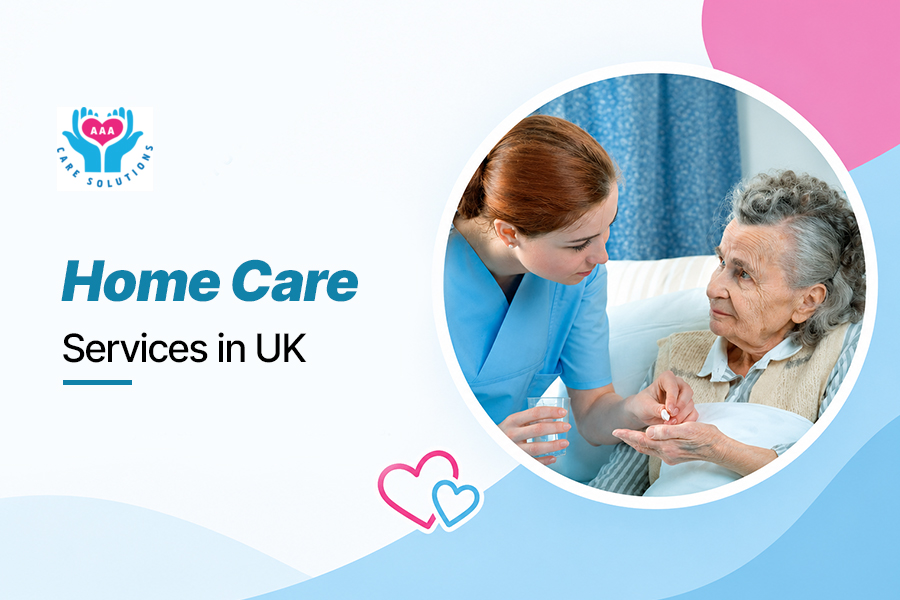
It tends to happen without warning. Mum has a fall, Dad comes home from hospital weaker than before, or a neighbour rings to say something doesn’t seem right. Once the shock wears off, almost every family asks the same thing: how much is this going to cost? Prices for home care services in UK-wide have risen again this year, so it’s worth knowing the current figures before you pick up the phone.
Private Home Care in UK Prices in 2026 at a Glance
By the end of September 2026, the national median for hourly home care was £33.49. That’s 4.7% higher than a year before, and most providers now sit somewhere between £30 and £36 an hour. Here’s roughly what each type of care costs:
- Visiting (hourly) care: usually £30 to £36 an hour
- Overnight care: around £230 for a sleeping night and £250 for a waking night
- Live-in care: a median of £230 a day, or about £1,610 a week. For comparison, the average residential care home fee is £1,431 a week.
What a Typical Care Package Costs
Hourly rates don’t mean much until you turn them into a weekly bill. At the median rate, an hour of care every day comes to about £234 a week. Two hours a day is £469. The full new state pension, £241.30 a week, pays for only around seven hours, so most families end up dipping into savings or other income.
Why Home Care Services UK-Wide Cost What They Do
Many families get a shock when they put the hourly charge next to what the carer is paid. But the wage is only one piece of it. The National Living Wage went up to £12.71 in April 2026, and on top of that the agency pays for the time carers spend driving from one visit to the next, their mileage, holiday pay, National Insurance and pension contributions. Then there’s training, supervision, insurance and regulatory fees. Add it all together and the difference between what the carer earns and what you’re charged looks a lot less mysterious.
The Homecare Association has worked out that, in England, care can’t be delivered legally and sustainably for less than £34.42 an hour. It calls this its Minimum Price for Homecare. If a quote comes in a long way below that figure, it’s fair to ask how the carers are being paid.
What Changes Your Quote
A few things push the price up or down:
- Visit length. Around two in five providers that publish a minimum won’t do visits shorter than 45 minutes.
- Timing. Evening, weekend and bank holiday visits usually cost more.
- Complexity. Dementia support, hoisting and visits that need two carers all add to the bill.
- Quality rating. Outstanding-rated providers charged a median of £35.50 an hour, compared with £33.90 for Good-rated ones.
Home Care Sussex Prices: What Local Families Pay
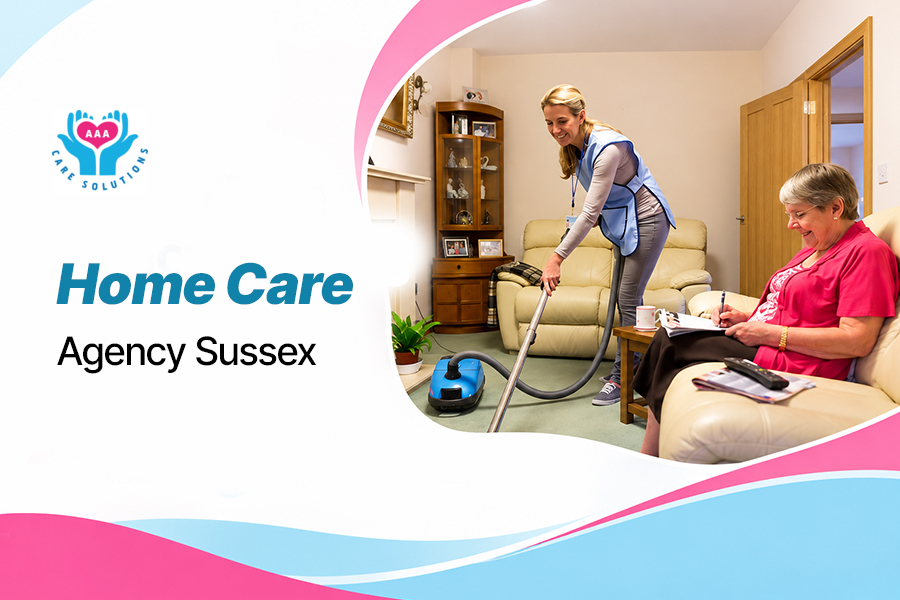
Care in Sussex tends to cost more than the national median, as it does across most of the South East. So if you’re weighing up home care Sussex options, don’t be surprised when quotes land near the top of the national range. Local guidance puts visiting care from a CQC-registered provider in West Sussex at roughly £30 to £40 an hour this year, and live-in care starts at around £1,400 a week. When a quote arrives, check what’s actually in it. Some agencies include travel, mileage and weekend rates in the hourly price, while others add them on later.
Professional Home Care Services vs Informal Help
Hiring a carer yourself can look cheaper on paper, and the hourly rate often is. The catch is everything else that comes with it. You’re the one chasing references and checking DBS certificates. When the carer is ill or goes on holiday, you’re the one scrambling for cover. Depending on how the arrangement is set up, you might even become their employer. Professional home care services take that weight off you. The agency is regulated, the carers are trained, the care plan is reviewed regularly, and if your usual carer can’t make it, finding a replacement is the agency’s problem, not yours.
Getting Help With Private Home Care UK Costs
Plenty of self-funders assume there’s no help available with private home care UK-wide. That isn’t always true, and these are worth checking:
- Council means test. In England, the upper capital limit for 2026/27 stays at £23,250 and the lower limit at £14,250. If you get care at home, your house isn’t counted.
- Attendance Allowance. It pays £76.70 a week at the lower rate or £114.60 at the higher rate in 2026/27, and it isn’t means-tested.
- NHS Continuing Healthcare. Where the main need is a health need, the NHS may pay the full cost.
The council’s needs assessment is free, so it’s worth asking for one even if you expect to pay for care yourself.
Choosing a Home Care Agency Sussex Families Can Rely On
Price is important, but reliability matters more day to day. Before you sign with any home care agency in UK families recommend asking:
- If our usual carer is off sick, who comes instead?
- What’s the shortest visit you’ll book, and how much notice do you need if we cancel or change one?
- Could you put every charge in writing, item by item?
Some families feel more comfortable with a home care agency Sussex residents can call in on and speak to in person. AAA Care Solutions has its office in Horsham and works with people all over the county. Its services cover domiciliary care, live-in care, dementia care and awake night support, and the first step is always a free assessment at home. Not everyone is ready for a big change, and for some, assisted living support at home, starting with a few visits and building up over time, is a far kinder first step than a care home.
Final Thoughts
For most families in the UK this year, private home care will cost somewhere between £30 and £36 an hour, and you’ll probably pay a little more if you live in Sussex. Before you sign anything, get written quotes from two or three agencies, look carefully at what each price includes, and check whether any funding is available to you.
FAQs
Is home care in Sussex a good alternative to moving into a care home?
For many people, it is. Live-in care for one person costs roughly the same as a care home place, and for couples it’s often cheaper. The person also gets to stay somewhere familiar. That said, if someone needs nursing care day and night, a nursing home may be the safer choice.
How do I find a reliable private home care provider in the UK?
Look up local agencies on the CQC register, read independent reviews and ask the council for its list of providers in your area. Before you commit, ask for references and meet the care manager in person.
What makes professional home care services different from general home help?
Professional home care services include personal care, help with medication and support with moving around, all from trained, regulated carers. In England, any agency that provides personal care must be registered with the CQC. General home help usually just means cleaning, shopping and errands.
How much does a home care agency charge in the UK?
Visiting care usually costs £30 to £36 an hour, and the national median was about £33.49 in late 2026. Live-in care averages around £1,610 a week, and an overnight carer costs £230 to £250 a night.
Which services should I expect from a home care agency in Sussex?
Most agencies help with personal care, medication, meals, mobility, housework and companionship. Many also offer dementia care, night support and live-in care.
Is assisted living support suitable for people living with dementia?
Yes, particularly in the earlier stages. Assisted living support works best when the same few carers visit, they’ve had dementia training and they keep to a familiar routine. As the dementia progresses, live-in care or waking nights may become necessary, so it’s worth reviewing the plan every few months.